
Verified credentials behind every session
The instructors at Xasolilo hold recognized certifications in mindfulness facilitation, adaptive learning design, and live instruction. This page documents those qualifications so you know exactly who is guiding your practice.
About the team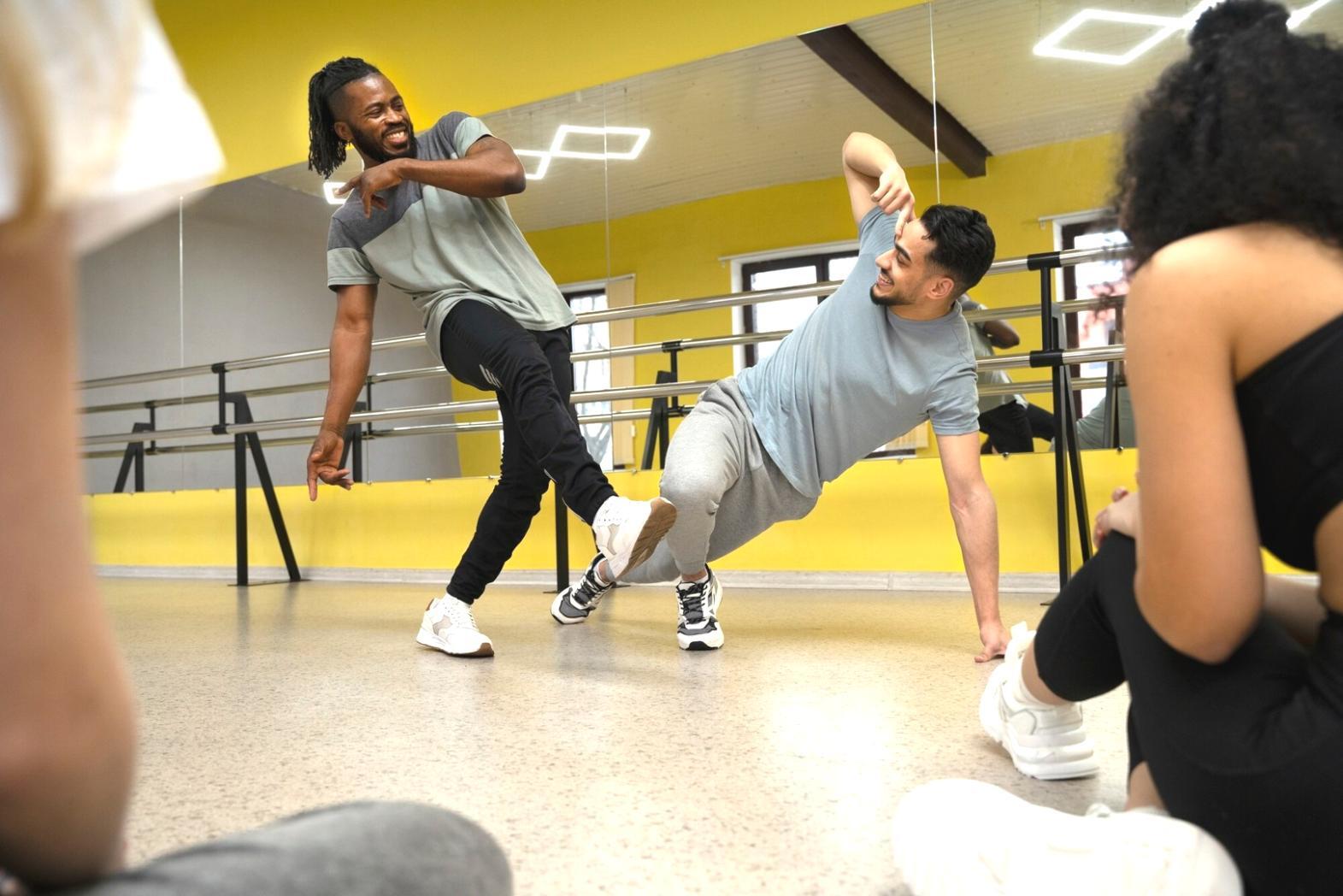
Certifications held by our instructors
Each certification listed here is issued by an independent body and requires demonstrated practical competency, not just coursework completion.
MBSR Facilitator Certification
Int'l Mindfulness Teachers Association
Covers the full eight-week MBSR protocol, group facilitation skills, and trauma-informed delivery. Requires supervised teaching hours before certification is granted.
2019Certified Mindful Living Practitioner
Global Wellness Education Council
Focuses on designing personalized practice pathways for individual learners. Includes modules on habit formation, motivation structures, and progress tracking across different learning styles.
2020Online Learning Design Certificate
Association for Digital Education Standards
Validates competency in structuring live virtual sessions, managing learner engagement across time zones, and adapting content for both group and one-on-one formats.
2021Adaptive Curriculum Design Credential
Southeast Asian EdTech Standards Board
Specifically addresses multilingual learning environments and cultural adaptation in curriculum design - directly relevant to Xasolilo's international learner base.
2022Somatic Awareness Teaching Qualification
Embodied Learning Institute
Addresses body-centered awareness practices within educational settings. Instructors learn to guide learners through physical sensations as part of mindfulness practice without clinical framing.
2023Contemplative Education Practitioner
Mind & Learning Research Consortium
Research-informed credential covering the intersection of attention science, contemplative traditions, and structured learning. Requires a practical project demonstrating applied curriculum design.
2023What these credentials actually cover
Certifications in mindfulness education vary widely. Some focus on personal practice, others on clinical application, and others on teaching methodology. The credentials held by Xasolilo instructors sit specifically in the teaching and facilitation category.
The distinction matters because it shapes what instructors are trained to do: structure learning experiences, guide attention practices, and adapt delivery to different learner contexts - not diagnose or treat.
Scope
Teaching
Facilitation and curriculum design, not clinical practice
Format
Live & Async
Qualifications cover both real-time and recorded delivery
Reach
Global
Credentials valid across international learner contexts
Renewal
Ongoing
Continuing education required to maintain active status
How qualifications shape the learning path
Credentials inform how sessions are structured, not just who delivers them. Here is the sequence from qualification to learner experience.

Sari Wulandari
Lead Curriculum Designer
Sari holds four of the six credentials listed on this page and has been designing adaptive mindfulness curricula since 2018. She oversees how certification requirements translate into session structure across both group and individual formats.


Credential requirements set the baseline
Each certification body specifies minimum competencies. Those competencies define what an instructor can responsibly teach - and what falls outside the scope of educational delivery.
Session design reflects training scope
Group sessions follow the MBSR protocol structure. Individual sessions draw on adaptive curriculum design methods. The format differences are not cosmetic - they reflect genuinely different facilitation approaches.
Continuing education keeps content current
Several credentials require renewal every two to three years. That process includes reviewing updated research on attention and learning, which feeds back into how sessions are adjusted over time.
Learner paths are matched to instructor qualifications
When a learner chooses between group and individual formats, they are matched with an instructor whose specific credentials align with that format. This is not an automated process - it involves a brief intake review before sessions begin.